
Introduction
According to Clarkson [2021], the following criteria are used to distinguish CSG/CBM (and other unconventional's) from conventional reservoirs:
-
Fluid storage and transport via mutiple mechanisms such as:
-
-
CSG: Adsorption onto the internal surface of organic matter (micro/mesoporosity)
-
-
Compression
-
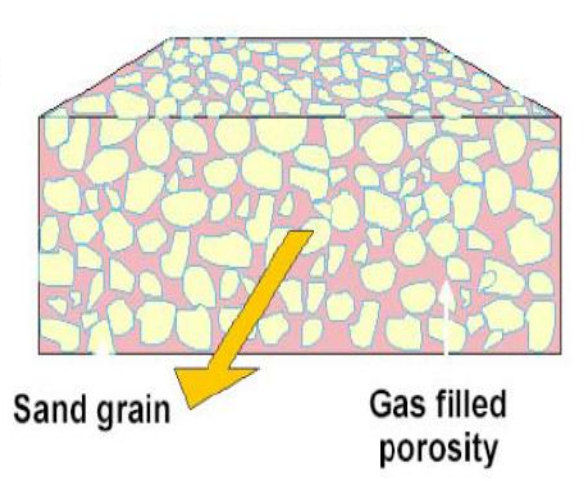
CSG: Free-gas storage in organic and inorganic matter porosity
-
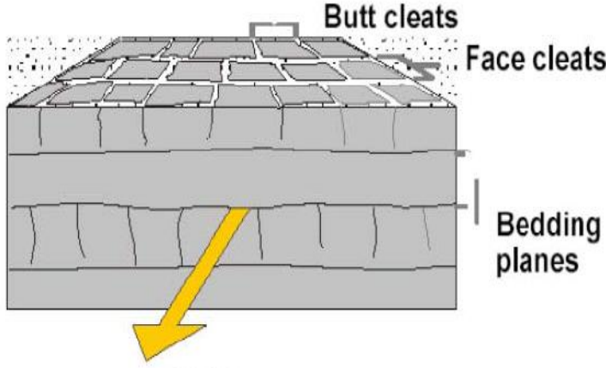
CSG: Free-gas storage in fractures (Cleat Porosity )
-
-
Solution (often neglected)
-
CSG: absorption in entrained fluids
-
-
and transport by Darcy and/or non-Darcy flow
-
-
Often lower mobility fluids, requiring
-
Horizontal Wells
-
Horizontal Wells + stimulation
-
Other innovative technology
-
CSG/CBM vs Conventional
Using the work of Barker and Gunn, a simple comparison of CSG vs Conventional gas production is shown below. All things being equal, CSG holds substantial amounts of gas compared to conventional reservoirs (which comparing proxy porosities).
|
CSG (CBM) |
Conventional Gas |
|---|---|
|
Initial Phase: Dewatering Occurs. Low initial gas rates |
Maximum rate is at start of production |
|
As pressure declines, gas desorbs and migrates into the cleat system and then to the wells. |
Rates decline as pressure declines |
|
Peak rates occur later in time, assuming no substantial amount of free gas. |
Later in life, water may be produced which inhibits production. |
|
Coal Seam Gas (Coal Bed Methane) |
Conventional |
|---|---|
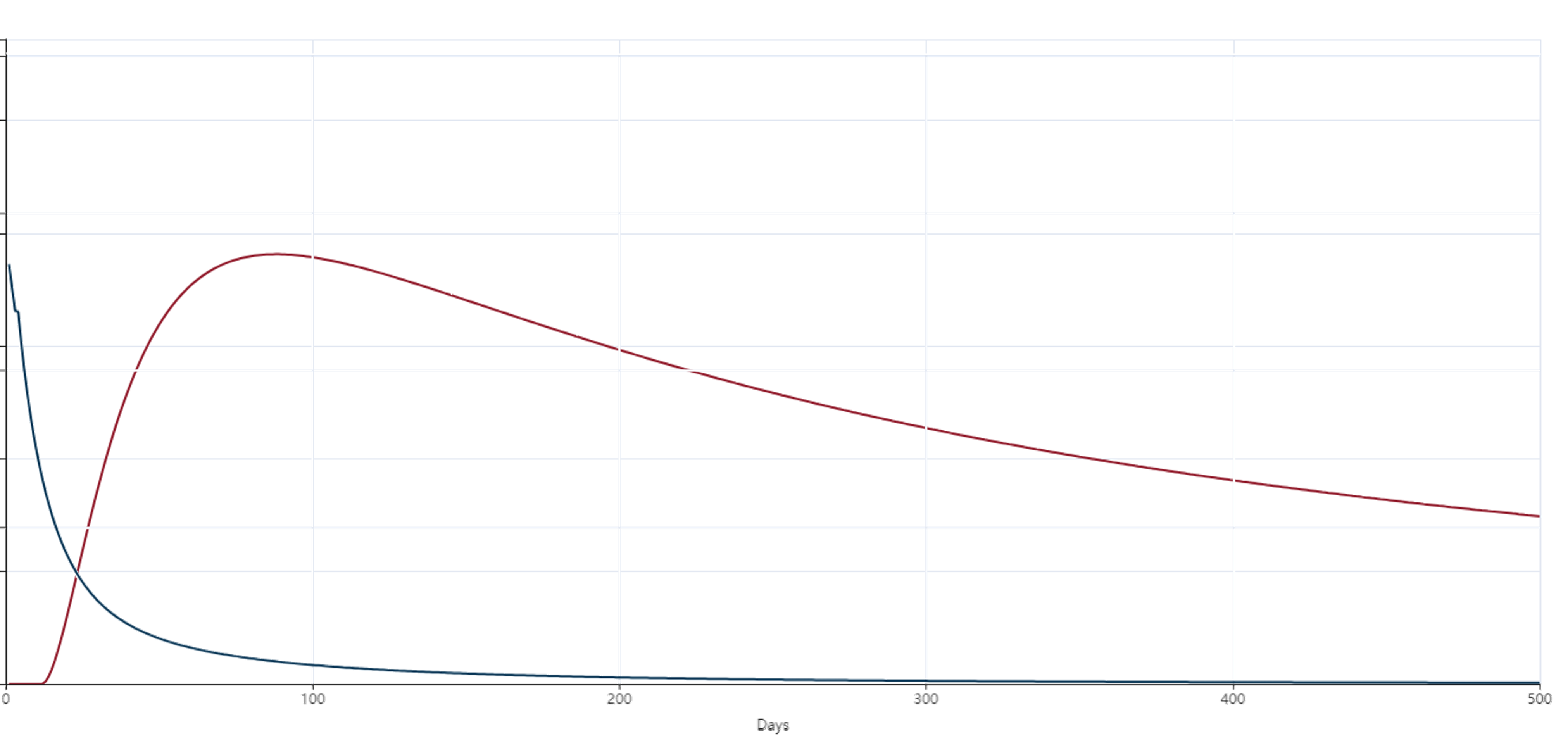
During the initial phase of dewatering, gas rates are typically low and pumping is required. As pressure declines, gas desorbs and migrates into the cleat system and then to the well or wells. Gas production inclines before entering decline.
|
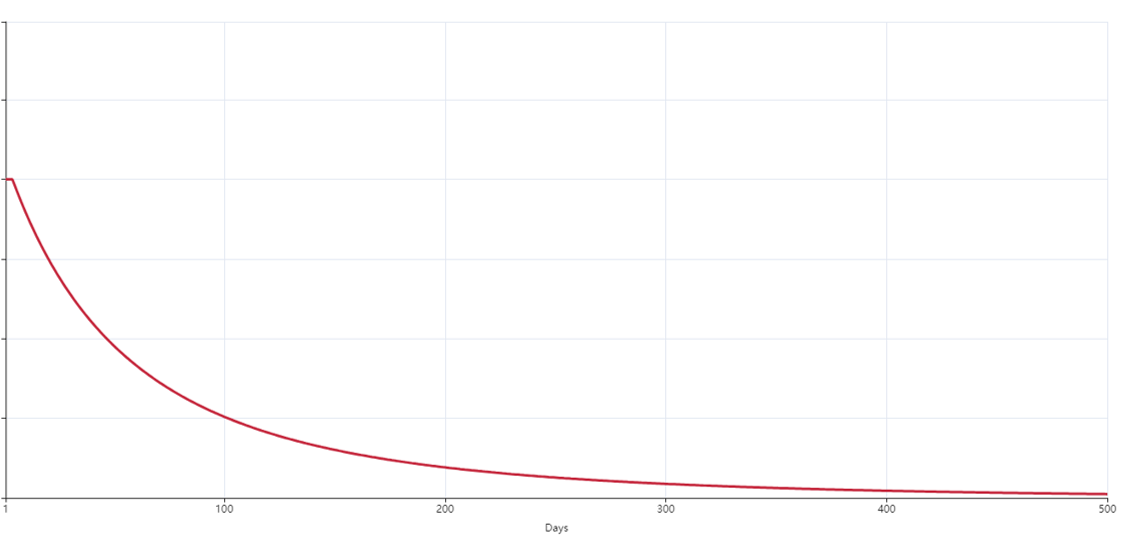
In general scenarios, the maximum rate is at the start of the production when pressure is highest. The rate declines as pressure declines. Later in late, water production may be produced which can inhibit production. |
|
|
Table modified based on the work G. Baker (2009)
References:
-
Geoff Barker, Advances in CSG Subsurface Evaluation, 9th Annual AJM CSG and LNG Conference, Brisbane, 1-2 December 2009.
rences:
-
King, G. R., Material-Balance Techniques for Coal-Seam and Devonian Shale Gas Reservoirs With Limited Water Influx 1993, SPE Reservoir Engineering
-
Clarkson, C. R., Unconventional Reservoir Rate-Transient Analysis: Volume I and II, 2021, Gulf Professional Publishing
-
John Seidle, Fundamentals of Coalbed Methane Reservoir Engineering, PennWell Corporation, 2011.
-
Geoff Barker, Advances in CSG Subsurface Evaluation, 9th Annual AJM CSG and LNG Conference, Brisbane, 1-2 December 2009